
Best Real Estate Markets for Investors in 2026: Where the Numbers Actually Work

Ebonie Beaco
Mortgage Strategist
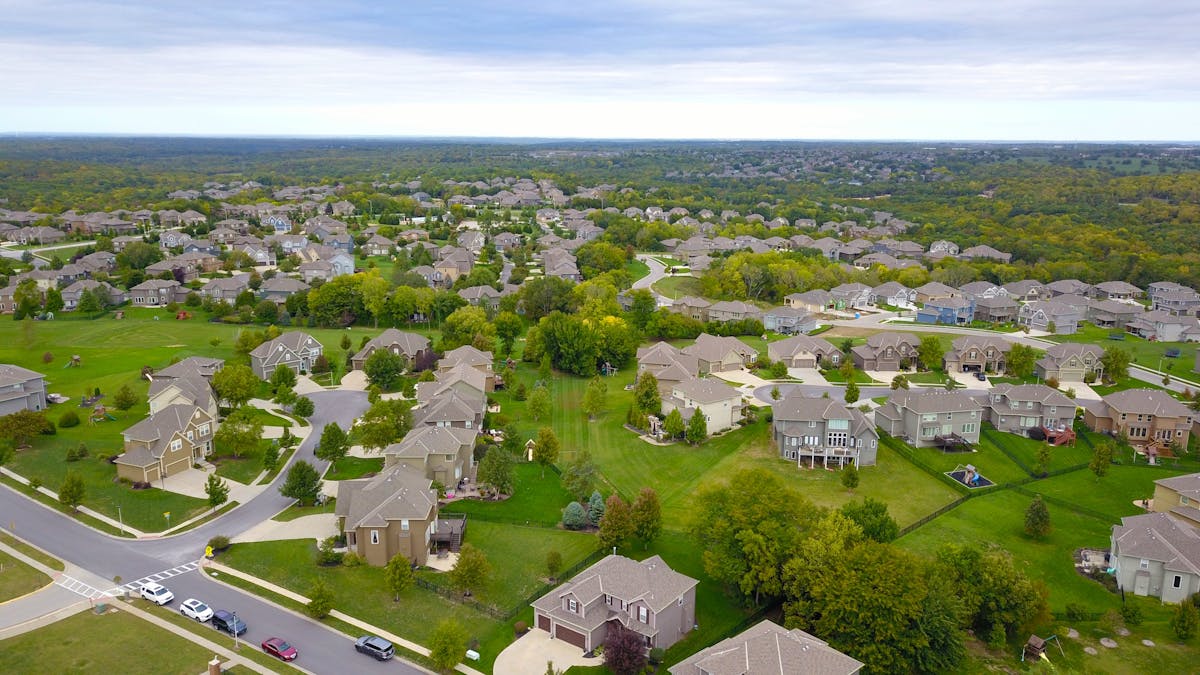
The real estate investment landscape in 2026 looks markedly different from the rate-free era of 2020–2021. With 30-year investment property mortgage rates in the 7.0–7.75% range and a more selective lending environment, the markets that generate meaningful cash flow have narrowed. But they exist — and in some cases, they are producing better risk-adjusted returns than the consensus "hot markets" of the last cycle.
This analysis covers 25 metros across five key metrics: job growth, net population migration, median rent-to-home-price ratio, cap rate compression or expansion, and days on market. These are the metrics that actually predict investment performance — not Instagram real estate influencer lists.
Why Market Selection Matters More Than It Did in 2021
In 2021, rising tides lifted all boats. Appreciation was so aggressive in virtually every U.S. market that the fundamentals of individual market selection were almost secondary. Investors in Phoenix, Tampa, and Charlotte made money not because they analyzed the market deeply, but because every market ran. That dynamic is over.
In 2026, the spread between strong markets and weak markets has widened significantly. The best markets are generating gross rental yields of 7–10% on median-priced properties. The weakest markets — coastal gateway cities where appreciation has stalled but prices remain elevated — are struggling to produce gross yields above 4–5%. At current borrowing costs, 4–5% gross yield means negative cash flow before accounting for maintenance, vacancy, or property management.
The investors winning in 2026 are the ones who did the work on market selection. They are not randomly buying in cities they heard about on a podcast — they are following the data.
Metric 1: Job Growth and Economic Base Diversification
Employment is the foundation of rental demand. A market with strong job growth generates household formation, which generates rental demand, which supports rent growth. But not all job growth is equal. A market growing on the back of a single employer or a single industry is fragile. The most defensible rental markets have diversified economic bases: technology, healthcare, education, logistics, and government employment blended together.
What to look for: Year-over-year job growth above 2.5%, unemployment rate below the national average, presence of at least three distinct employment sectors among the top-10 employers, and evidence of corporate relocations or expansions in the metro.
Top performers on this metric in 2026: Columbus, OH; Indianapolis, IN; Raleigh, NC; San Antonio, TX; and Jacksonville, FL all show strong employment diversification alongside continued job growth in the 2.5–4% annual range.
Metric 2: Net Population Migration
Population flows are one of the most powerful leading indicators of future rental demand. People move toward opportunity — lower taxes, lower cost of living, better job markets, and lifestyle. The metros experiencing the highest net in-migration today are building the rental demand of tomorrow.
What to look for: IRS migration data and Census Bureau estimates showing positive net domestic migration, particularly among 25–40 year old households. This cohort is the prime renter demographic. Inbound migration from high-cost coastal markets (California, New York, Illinois) is particularly valuable because those households bring higher income expectations and drive rent growth.
Top performers in 2026: Myrtle Beach, SC; Huntsville, AL; Boise, ID (recovery from correction); Greenville, SC; and the Chattanooga, TN metro continue to show strong net inflows even as the broader Sun Belt migration wave has moderated.
Metric 3: Rent-to-Price Ratio — The Cash Flow Foundation
The rent-to-price ratio (monthly rent divided by purchase price, expressed as a percentage) is the fastest screen for whether a market can produce cash flow at current interest rates. A ratio below 0.7% is generally fatal to cash flow at 7%+ mortgage rates. A ratio of 0.8–1.0% is workable with disciplined underwriting. Above 1.0% offers a clear path to positive cash flow on a standard 25% down investment loan.
To calculate this quickly: take the median monthly rent and divide it by the median home price. A $1,400/month rent on a $180,000 home produces a 0.78% ratio — which at 75% LTV and a 7.25% rate produces a tight but potentially positive cash flow deal. A $2,800/month rent on a $720,000 home (San Francisco) produces a 0.39% ratio — which at any leverage level produces deep negative cash flow.
Best rent-to-price markets in 2026: Cleveland, OH (1.1–1.3%); Detroit, MI (1.0–1.4% in specific submarkets); Memphis, TN (0.9–1.1%); St. Louis, MO (0.85–1.05%); Kansas City, MO (0.80–1.0%); Indianapolis, IN (0.85–1.0%); and Birmingham, AL (0.90–1.1%). These Midwest and mid-South markets consistently rank at the top of cash flow screens.
You can run exact cash flow numbers on any property in these markets using the REI Vault Pro Cash Flow Calculator — model your actual purchase price, rent, mortgage terms, taxes, insurance, and vacancy rate to see real monthly cash flow projections.
Metric 4: Cap Rate Trends
Cap rates — the ratio of net operating income to property value — measure the unleveraged return on a property. In investment real estate, cap rates and property values move in opposite directions: rising cap rates mean falling values, falling cap rates mean rising values. In 2026, cap rate expansion (values falling relative to income) is creating buying opportunities in markets that overcorrected.
Markets with meaningful cap rate expansion since 2022 peak: Phoenix, AZ (multifamily cap rates expanded from 3.5–4% in 2021 to 5–6.5% in 2026); Austin, TX (similar expansion in SFR and small multifamily); Boise, ID (correction from the speculative peak has created cap rates of 5.5–7% on properties that traded at 3–4% three years ago).
The opportunity: Investors who can acquire properties in markets with recently expanded cap rates are locking in higher income yields at today's prices, with potential appreciation when rate cuts compress cap rates in future years. This is the classic "buy into weakness" move that generates outsized long-term returns.
Use the Cap Rate Calculator to quickly assess cap rates on any deal and compare them against market benchmarks before making an offer.
Metric 5: Days on Market and Inventory Trends
Days on market (DOM) is a real-time indicator of supply-demand balance. Rising DOM means supply is outpacing demand — giving buyers more leverage, more time for due diligence, and more negotiating power. Falling DOM means demand is overwhelming supply — competition is fierce and the investor premium evaporates.
In 2026, the national DOM picture is bifurcated. Markets with significant new construction completions (Sun Belt metros that permitted aggressively in 2021–2023) are seeing rising DOM and inventory normalization. Markets with structural supply constraints (Northeast, parts of the West Coast) continue to see low inventory and tight DOM even as demand has softened.
Highest DOM / most investor-favorable negotiating environments in 2026: Austin, TX; Nashville, TN; Tampa, FL; Phoenix, AZ; and Dallas-Fort Worth, TX — all markets that overbuilt in the construction boom and are now working through elevated inventory. Savvy investors are negotiating price reductions, seller concessions, and extended due diligence windows that were impossible two years ago.
The 5 Markets REI Vault Pro Analysts Are Watching Closely in 2026
1. Indianapolis, IN — Consistent top-10 performer on every metric: job growth, migration, rent-to-price, and cap rates. The median SFR price of $225,000–$260,000 makes it accessible to investors who are priced out of coastal markets. Gross rental yields of 8–10% on properly priced assets are achievable. The economic base includes healthcare (major hospital systems), tech, manufacturing, and logistics.
2. Columbus, OH — Home to Ohio State University, a growing tech corridor, and Intel's major semiconductor plant investment, Columbus has one of the most compelling employment growth stories of any mid-size American city. Vacancy rates have remained below 5% for three consecutive years. Cap rates on SFR properties have expanded slightly to 5.5–6.5%, creating better entry points than the 2021 peak.
3. Memphis, TN — Memphis is the prototypical cash flow market. The rent-to-price ratio on median properties consistently exceeds 1.0%. FedEx's global hub, three major hospital systems, and a growing logistics sector provide employment depth. It is not a high-appreciation market, but it generates reliable income that compounds over time. Investors with a 10-year hold horizon who prioritize cash yield over appreciation have found Memphis to be among the most consistent performers in their portfolios.
4. San Antonio, TX — Texas's largest military metro also has a rapidly growing healthcare and technology sector. The population continues to grow on the back of affordability relative to Austin and Dallas. Cap rates have expanded meaningfully from the 2021 froth, and the political environment (no state income tax, landlord-friendly laws) continues to attract investors from California and Illinois.
5. Greenville, SC — A smaller market that consistently punches above its weight. BMW, Michelin, and a growing biotech corridor have diversified what was once a pure textile economy. Median home prices in the $230,000–$290,000 range produce rent-to-price ratios of 0.85–1.0%, and net migration continues to run strongly positive as Carolina's affordability draws residents out of Charlotte, Atlanta, and the Northeast.
How to Validate Any Market Before You Invest
No analyst list substitutes for your own market-level due diligence. Here is the due diligence framework REI Vault Pro members use before entering a new market:
Step 1 — Pull the rent comps. Use Rentometer, Zillow rent estimates, and direct calls to local property managers to understand actual achievable rents for your target property type. Do not rely on Zestimate rents or national averages.
Step 2 — Model the deal at current rates. Run the actual numbers with the DSCR Calculator using today's mortgage rates, your target purchase price, and your rent estimate. If the DSCR is below 1.0 at 75% LTV, the market or the specific deal does not work at current rates.
Step 3 — Talk to local property managers. Call three property managers in the market. Ask them: What is the current vacancy rate? What are rents doing year-over-year? Which neighborhoods have the strongest demand? This intelligence is free and invaluable. Property managers are on the ground every day — they have better market intelligence than most analysts.
Step 4 — Verify the employment base. Google "[city name] largest employers" and "[city name] economic development." Look for diversity and growth. A market where a single employer represents 30%+ of employment is a significant concentration risk.
Step 5 — Check the landlord law environment. Eviction timelines, rent control status, and landlord protections vary dramatically by state and municipality. California, New York, Oregon, and several other states have enacted tenant-protective legislation that significantly affects investment property operations. Texas, Florida, Indiana, and Tennessee remain among the most landlord-friendly states.
Using AI to Analyze Markets Faster
REI Vault Pro's AI Market Analysis tool lets you input any zip code or metro area and instantly receive a synthesized analysis of rent trends, employment data, cap rate benchmarks, and comparable sales data. It does not replace the property manager calls and on-the-ground diligence — but it dramatically accelerates the initial screening process, letting you evaluate more markets in less time.
The AI Deal Analyzer takes market analysis one step further, evaluating specific properties against local comps, estimating ARV, flagging risk factors, and scoring the deal's investment merit on a 100-point scale. Members consistently report that it surfaces risks and opportunities that they would have missed in a manual review.
The Bottom Line on Market Selection in 2026
The best real estate markets for investors in 2026 share common traits: affordable entry prices that produce viable rent-to-price ratios at current rates, diversified employment bases with demonstrated population growth, and either expanding cap rates that represent value relative to recent pricing or stable, high-yield cash flow profiles.
The Midwest cash flow markets — Indianapolis, Columbus, Memphis, Kansas City, Cleveland — offer the most reliable path to positive cash flow at current interest rates. The recovering Sun Belt markets — Phoenix, Austin, Boise — offer a different thesis: buying into correction at expanded cap rates with a medium-term appreciation outlook. Both are legitimate strategies. What is not a strategy is buying in markets where the math does not work and hoping rates drop before the bills come due.
Do the analysis. Run the numbers. Use the tools at your disposal. The market conditions of 2026 reward disciplined underwriting and punish wishful thinking — which means the prepared investor has a genuine edge over the crowd.
Ebonie Beaco
Mortgage Strategist
Ebonie Beaco is a mortgage strategist and real estate finance expert helping investors structure deals, secure creative financing, and build long-term wealth through real estate.
More in Market Analysis


Put These Strategies to Work
Access 67 calculators, AI deal analysis, CRM, templates, and more.
Start 7-Day Free Trial